

Pregnancy & motherhood · 4 MIN READ
Your body has been carrying so much: care during pregnancy and after birth
From heavy feet to tired feeding shoulders, a practical guide to making room for your own comfort during pregnancy and early motherhood.
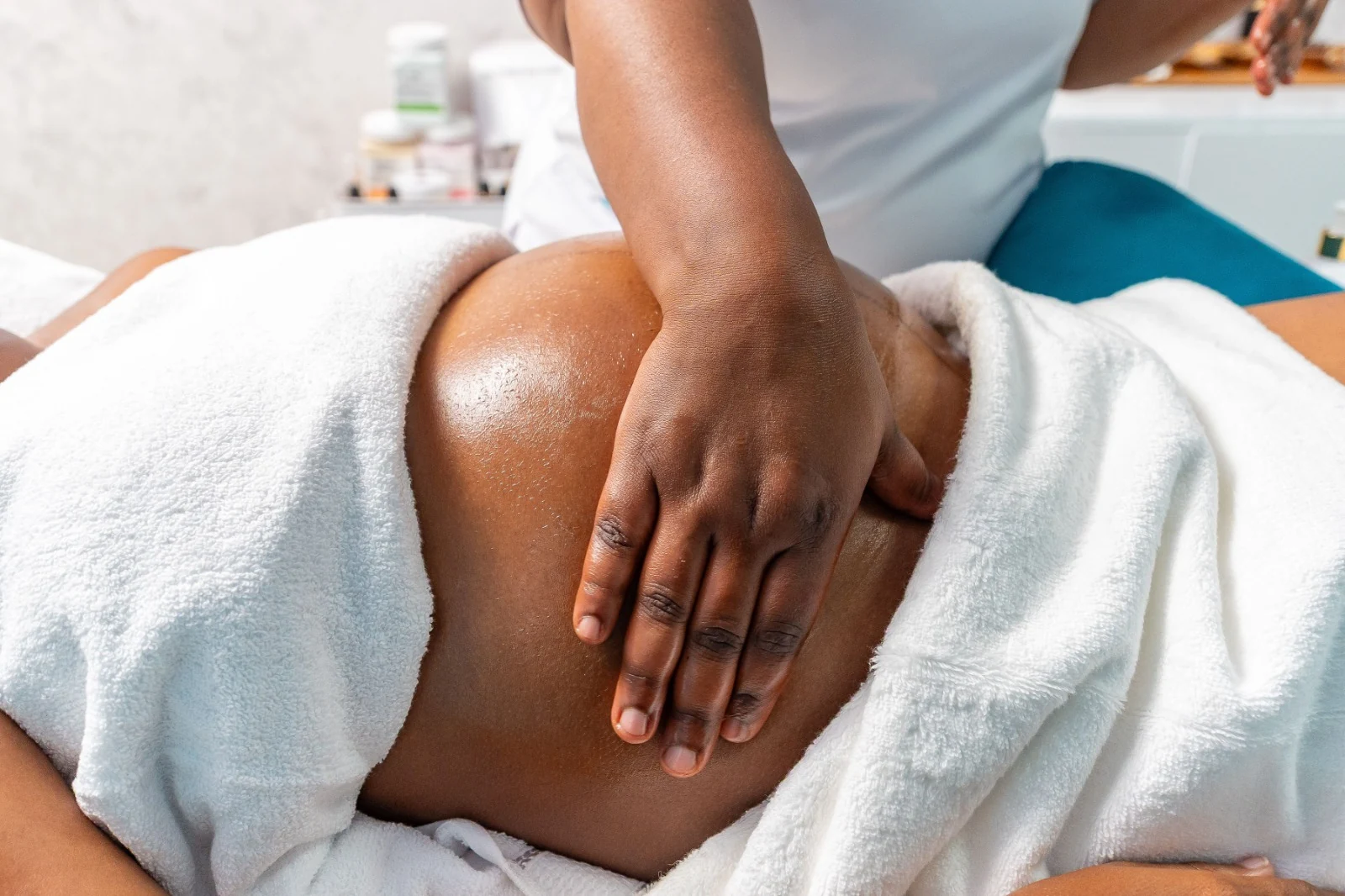
Your shoulders carry the everyday things: the work bag, the shopping, the plans, the people who need you. Your back adjusts as your body changes. Your womb is carrying life, or has recently brought life into the world. And your feet have carried all of that through long days that do not always leave much time for rest.
Then someone asks how the baby is. It is a loving question. But it is not the only question that matters. How are you sleeping? Where are you uncomfortable? What would make today feel a little more manageable? At Maggie’s in Karen, Nairobi, those questions belong in the conversation too.
This guide helps you describe what you need, plan a comfortable appointment and decide when a symptom belongs with your maternity team rather than on a spa treatment list.
Start with the discomfort you actually feel
You do not need to arrive with a perfect treatment name. “My shoulders feel tight after feeding” is more useful than choosing the longest package because it sounds comprehensive. “My legs feel heavy by evening” tells us something different from “I have new pain in one calf.” Your words help us ask the right follow-up questions.
Try keeping a short note for a day or two. Write down the area, what you were doing when discomfort appeared, what made it better and whether anything has changed suddenly. Share relevant concerns with your clinician first; the note can also help your therapist adapt a suitable session.
- Which area would you most like us to focus on?
- Which areas would you prefer us to avoid completely?
- What positions feel comfortable at the moment?
- What has your doctor or midwife advised about touch, movement or recovery?
Pregnancy care should adapt as you change
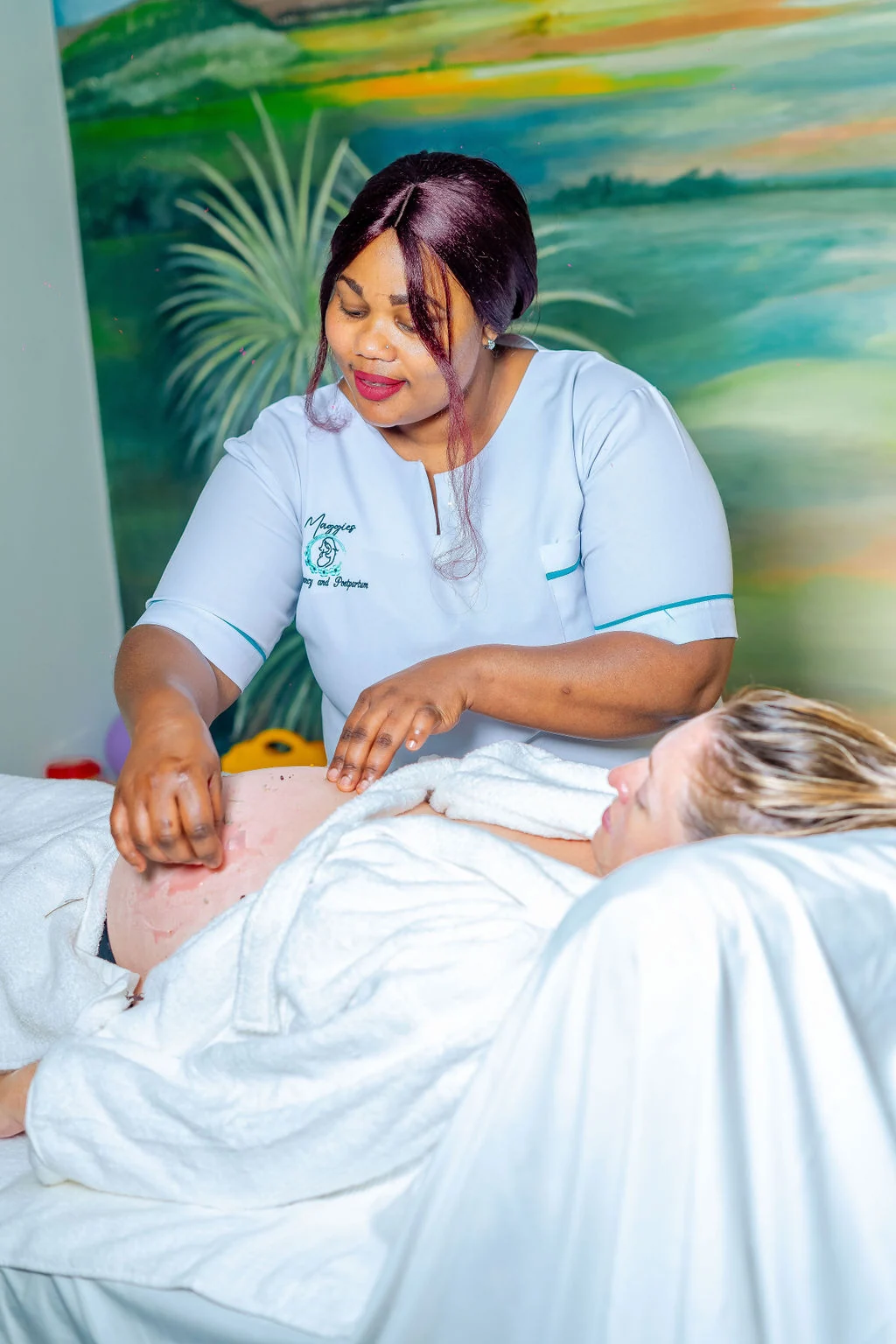
Prenatal massage is not simply a regular massage with a different label. Tell us your pregnancy stage, health concerns and current advice before booking. Side-lying support and changes in pressure or positioning may be appropriate, depending on your circumstances. A therapist should be willing to pause and adjust throughout the appointment.
You can ask for a quieter session, a less scented product, more pillows or a bathroom break. You can also change your mind about an area you originally wanted treated. Choosing comfort is not being difficult; it is how a personalised session works. Our prenatal preparation guide explains the practical details to discuss before you travel.
Heavy feet deserve attention, not assumptions
Gradual swelling in the feet and ankles can happen during pregnancy. Comfortable footwear, short movement breaks and resting with the feet raised may help. Swelling that changes suddenly needs a different response. A sudden increase in swelling with a severe headache or changes in vision needs prompt maternity assessment.
New pain or swelling in one leg, chest pain or difficulty breathing should be assessed urgently. Do not book foot massage to see whether those symptoms settle. Once your care team has assessed any concerns, ask us whether focused leg and foot care is suitable for you.
After birth, the carrying continues
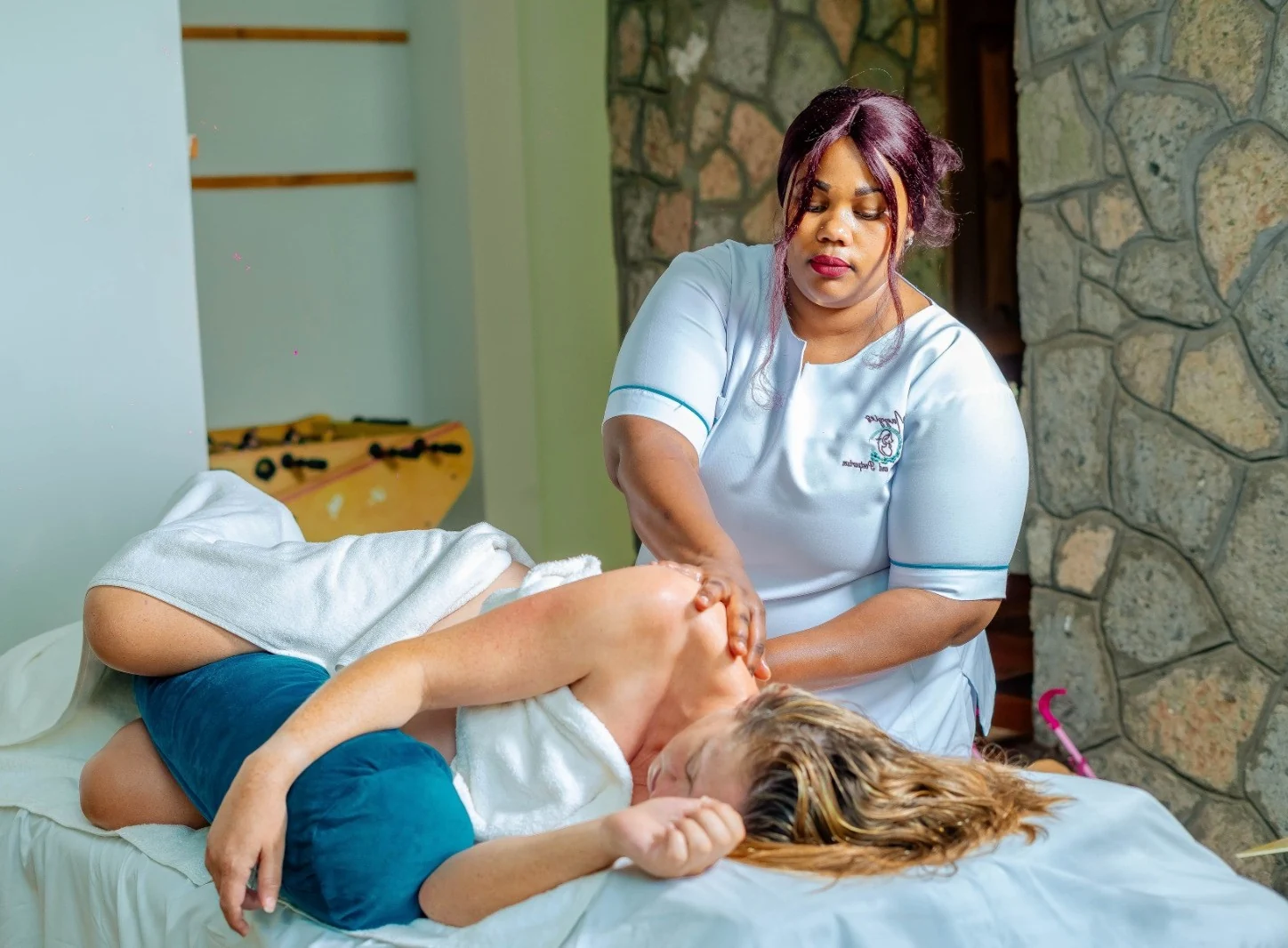
Feeding, lifting, rocking and broken nights create a different kind of busy. A useful appointment starts with what recovery looks like for you today: your delivery, any stitches or surgery, feeding needs, current pain and the guidance you have been given. There is no prize for being ready sooner than someone else.
Think about the support around the appointment as well as the massage itself. Could someone manage the journey? Would help with your baby make it easier to relax? Do you need a shorter visit? Share those questions with us instead of trying to fit yourself into an idealised version of a spa day.
Build a small plan for the day after your visit
A massage appointment is one moment in a much bigger week. Pick one practical change that might make the rest of the week kinder: asking someone to take over one household task, making a feeding corner more comfortable, or allowing an unhurried break between errands. If discomfort persists, arrange a clinical assessment rather than repeatedly working around it.
Let your therapist know how the session felt, including anything that was too much. That feedback can guide a future appointment. It is equally valid to decide that another form of support, such as physiotherapy or a discussion with your maternity team, should come first.
Choose care that meets you where you are
Maggie’s offers prenatal and postpartum massage, focused foot and leg care, and selected supportive treatments. Warm compresses, abdominal work and belly binding each require their own suitability discussion; they are not automatic additions for every mother.
Explore pregnancy care or postpartum massage, then contact us privately with your questions. You do not have to wait until you are completely exhausted to ask for help. And you do not have to feel ready for a treatment today to start a conversation about your comfort.
You have been holding so much. Your own care is allowed to take up space, too.
A FEW COMMON QUESTIONS
Good to know.
Can I choose a shorter, focused appointment?
Ask about a session suited to your needs and pregnancy or recovery stage. Treatment suitability comes before duration.
Should swelling always be treated with massage?
No. The cause matters. New, sudden, painful or one-sided swelling needs medical assessment before massage.
FURTHER READING
Sources & useful information
These resources inform the health context in this guide. They do not imply endorsement of Maggie’s or a medical review of this article.
Prepared by the Maggie’s Spa editorial team. General wellbeing information; not personalised medical advice. Treatments depend on individual suitability. Prices and availability can change; confirm them when booking. Questions or corrections?