Pregnancy & motherhood · 6 MIN READ
Prenatal massage for couples: what to expect from a partner workshop
A practical guide to learning gentle partner massage together: private sessions, communication, suitable positioning and how to plan your couples workshop in Karen, Nairobi.
When someone you love is pregnant, wanting to help can feel much easier than knowing how. You might offer a shoulder rub, arrange another cushion or ask whether a foot massage would be welcome. Yet you may still wonder about pressure, positioning and whether you are doing the right thing. A partner workshop makes space for these questions before you try to build a home routine.
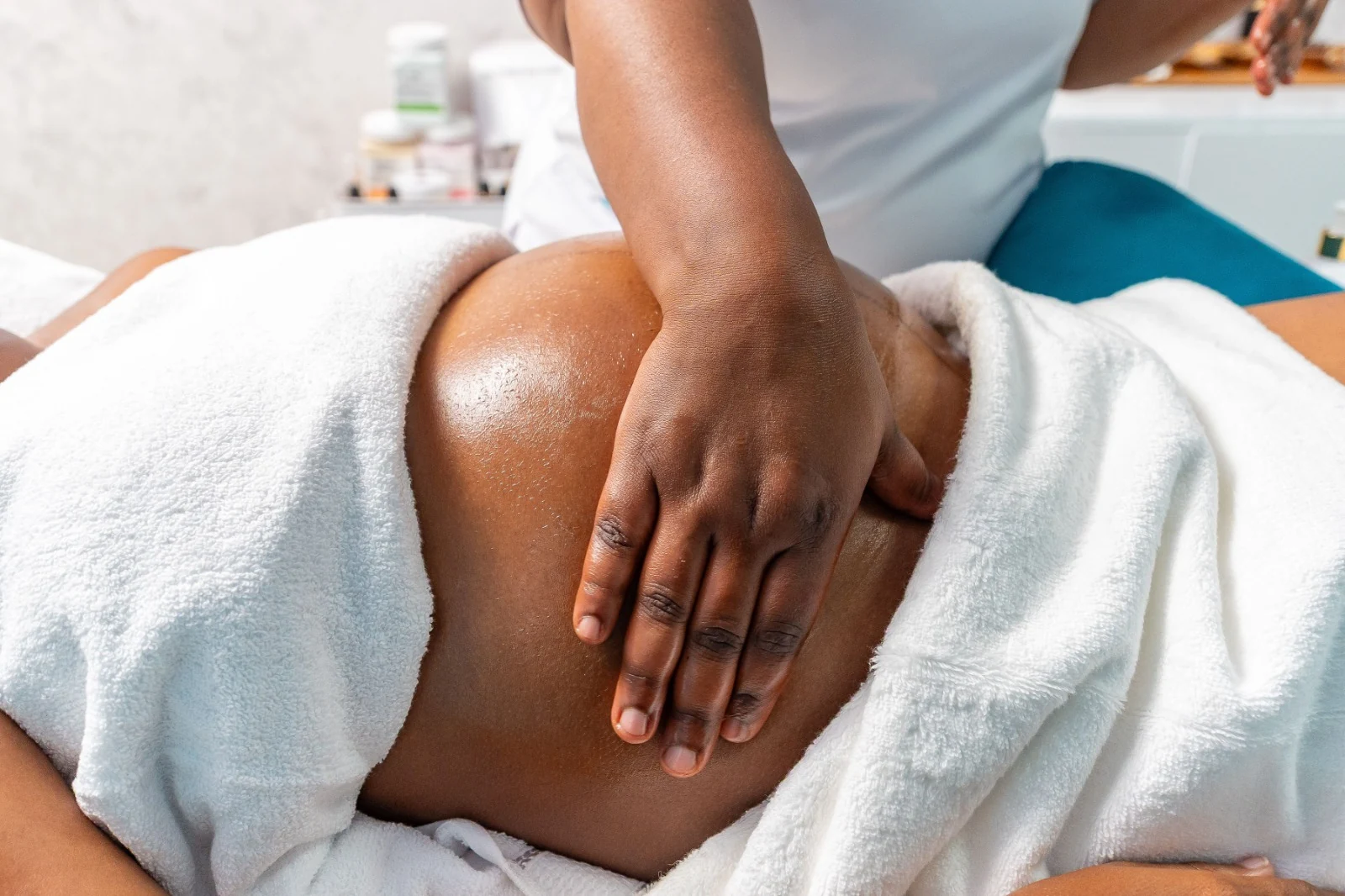
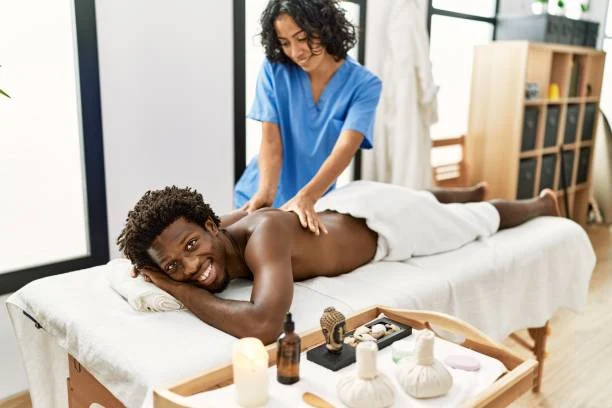
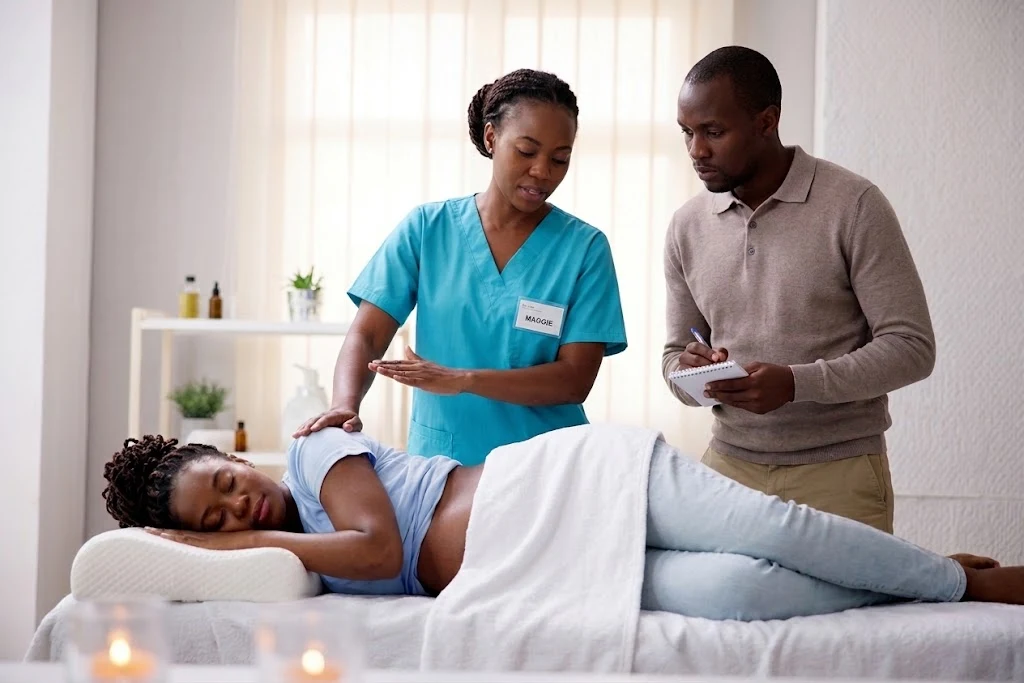
At Maggie’s in Karen, Nairobi, the prenatal massage workshop for couples has three private one-hour sessions. The pregnant woman attends with the person learning to massage her. The trainer demonstrates suitable techniques and supervises the learner’s practice while she gives feedback about comfort. It is personal-use education for home support, not a couples massage treatment for two recipients, professional therapist training or treatment for pregnancy complications.
What a partner workshop is designed to offer
You do not need to arrive knowing the names of massage techniques. The starting point is a conversation about what feels supportive, what you are unsure about and how you would like to spend the learning time together. One person may want help explaining their preferences; the other may want feedback on how to position their hands without straining their wrists.
A useful session gives both people a voice. The person receiving touch can ask for a change, pause or choose not to participate in a particular activity. The partner learns to listen to those responses instead of assuming that a stronger or longer massage must be better. Confidence comes from communication and practice, rather than trying to memorise an impressive routine.
Who can attend, and what to discuss first
The usual participants are a pregnant woman and her husband or partner, who learns how to massage her at home. If she would prefer to bring a close relative, friend or household helper, tell Maggie’s when enquiring so the team can confirm arrangements for one trusted support person. The learner does not need previous massage experience. Practical activities remain subject to individual suitability; an enquiry does not confirm clearance for every technique.
Tell the team if you have been advised to avoid massage or if there are complications, recent symptoms or other health considerations that could affect participation. Medical clearance may be needed. You do not have to enter a detailed health history into the public enquiry form; the initial form simply helps the team contact you and understand your availability.
Why learn across three separate sessions?
Three one-hour visits create a different pace from one continuous three-hour appointment. There is time to take in the explanation, practise with supervision and return with questions. You may discover that a position needs another cushion, that your partner prefers a shorter session or that you want another demonstration of something you found difficult.
The schedule is arranged with you, subject to availability and suitability. Do not assume the visits must be on consecutive days or book travel before the dates are confirmed. Sharing your preferred days or times in the enquiry helps Maggie’s start that conversation. The programme is sold as a complete three-session workshop for the couple.
Session one: understanding comfort and boundaries
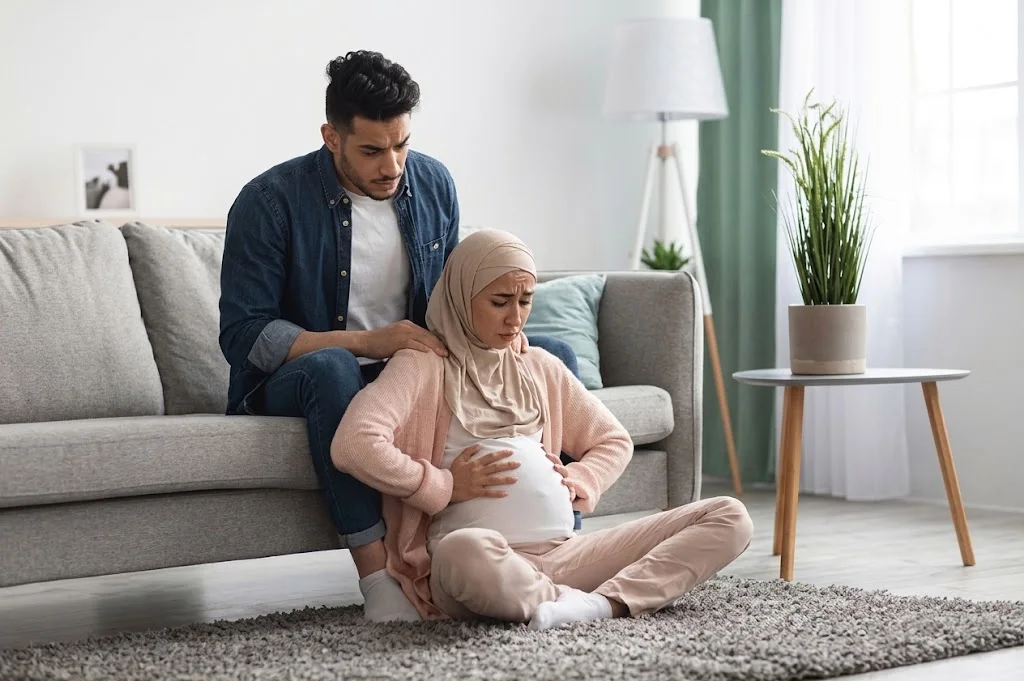
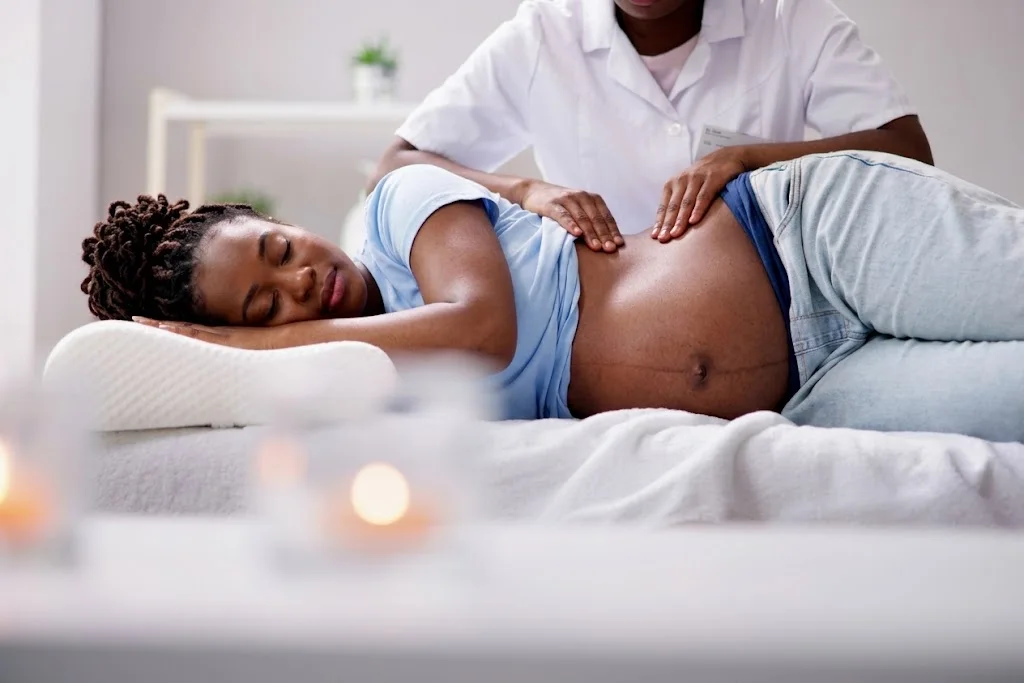
The first session introduces pregnancy-related considerations, the purpose and limitations of massage, consent and suitable positioning. ACOG describes side-lying as a suitable position for massage during pregnancy and advises choosing a therapist with prenatal training. Within the workshop, the trainer can discuss support and positioning without expecting you to work everything out from a photograph.
Pillows, comfortable clothing and the ability to change position are practical parts of the experience. Your questions might be simple: where should we put the cushions, how do we check that a position feels comfortable, and when should we stop? There is no need to treat those questions as less important than learning hand movements.
Session two: demonstration, practice and feedback
The second session introduces selected gentle techniques around areas such as the back, shoulders, hands, neck, legs and feet where suitable. Practice is adapted to the individual. The workshop does not teach abdominal massage or deep-pressure techniques. Pregnancy, Birth and Baby also explains that pregnancy massage requires changes to positioning and extra care around leg pressure.
The focus is learning under supervision, rather than following a set of instructions from an article. Your trainer can demonstrate, observe and help you adjust. The partner giving the massage also needs a comfortable position: leaning awkwardly or working through hand discomfort is not a good foundation for a routine you hope to repeat at home.
Session three: putting a manageable routine together
The final visit is a chance to revisit suitable techniques and combine them into a routine that feels manageable for both of you. You can ask for another demonstration, check what you remember and receive individual feedback. A routine does not have to be long to be useful; it needs to respect comfort, consent and the limits discussed with the trainer.
Training notes support your recall after the workshop. They do not replace the personal guidance you receive or mean that every technique will remain appropriate throughout pregnancy. The certificate of participation acknowledges attendance at a personal-use workshop. It does not qualify either participant to provide professional massage services.
Know when a question belongs with your maternity team
A workshop should help you recognise the limits of home comfort care. New or concerning symptoms should not be explained away as muscle tension or treated by trying more pressure. NHS guidance identifies symptoms including severe headache, sudden vision changes and sudden swelling as reasons to seek urgent medical advice in pregnancy. Contact your maternity care team or urgent medical services if these occur.
For everyday decisions about whether to continue an activity, keep checking in and stop if there is discomfort or uncertainty. Do not use this article as a checklist for deciding that massage is safe in a complicated pregnancy. A trainer can adapt a session, but your healthcare provider remains the appropriate person to advise about medical concerns.
Planning your workshop at Maggie’s
The complete workshop costs KSh 30,000 for both participants and includes three private one-hour sessions, demonstrations, supervised practice, training notes and a certificate of participation. That is equivalent to KSh 10,000 per session within the full programme. After suitability and dates are agreed, the 50% deposit is KSh 15,000. Ask about the balance and any rescheduling or cancellation arrangements before paying.
- Share your preferred availability and contact details through the workshop enquiry form.
- Keep medical details for a private discussion with the team.
- Wait for all three dates and payment arrangements to be agreed.
- Wear comfortable clothing and ask what preparation is needed.
- Bring your questions; you do not need to prepare a massage routine.
Explore the prenatal massage workshop for couples to see the full programme and send an enquiry. If you would prefer a treatment appointment, browse prenatal care at Maggie’s. Those looking to train for professional practice should visit the separate therapist training page.
A FEW COMMON QUESTIONS
Good to know.
Can we book this without massage experience?
Yes. The workshop is for personal partner-to-partner learning and does not require previous massage experience. Practical participation remains subject to individual suitability.
Will the workshop teach us to treat pregnancy complications?
No. It focuses on comfort, communication and selected gentle techniques. Medical concerns belong with your maternity care team.
Do we pay through the enquiry form?
No. The enquiry is saved for follow-up. Maggie’s discusses suitability and agrees dates before arranging the KSh 15,000 deposit.
Is the certificate a professional qualification?
No. It is a certificate of participation for a personal-use workshop, not professional therapist certification.
Can a relative, friend or household helper attend instead of a partner?
Tell Maggie’s who the pregnant woman would like to attend with when making the enquiry. The team can confirm arrangements for one trusted support person before dates and payment are agreed.
FURTHER READING
Sources & useful information
These resources inform the health context in this guide. They do not imply endorsement of Maggie’s or a medical review of this article.
Prepared by the Maggie’s Spa editorial team. General wellbeing information; not personalised medical advice. Treatments depend on individual suitability. Prices and availability can change; confirm them when booking. Questions or corrections?