

Therapist training · 4 MIN READ
Prenatal and postpartum massage training in Kenya: what to ask before enrolling
A practical guide for therapists, spa teams and institutions comparing maternal massage training, from course scope to safety and supervised practice.
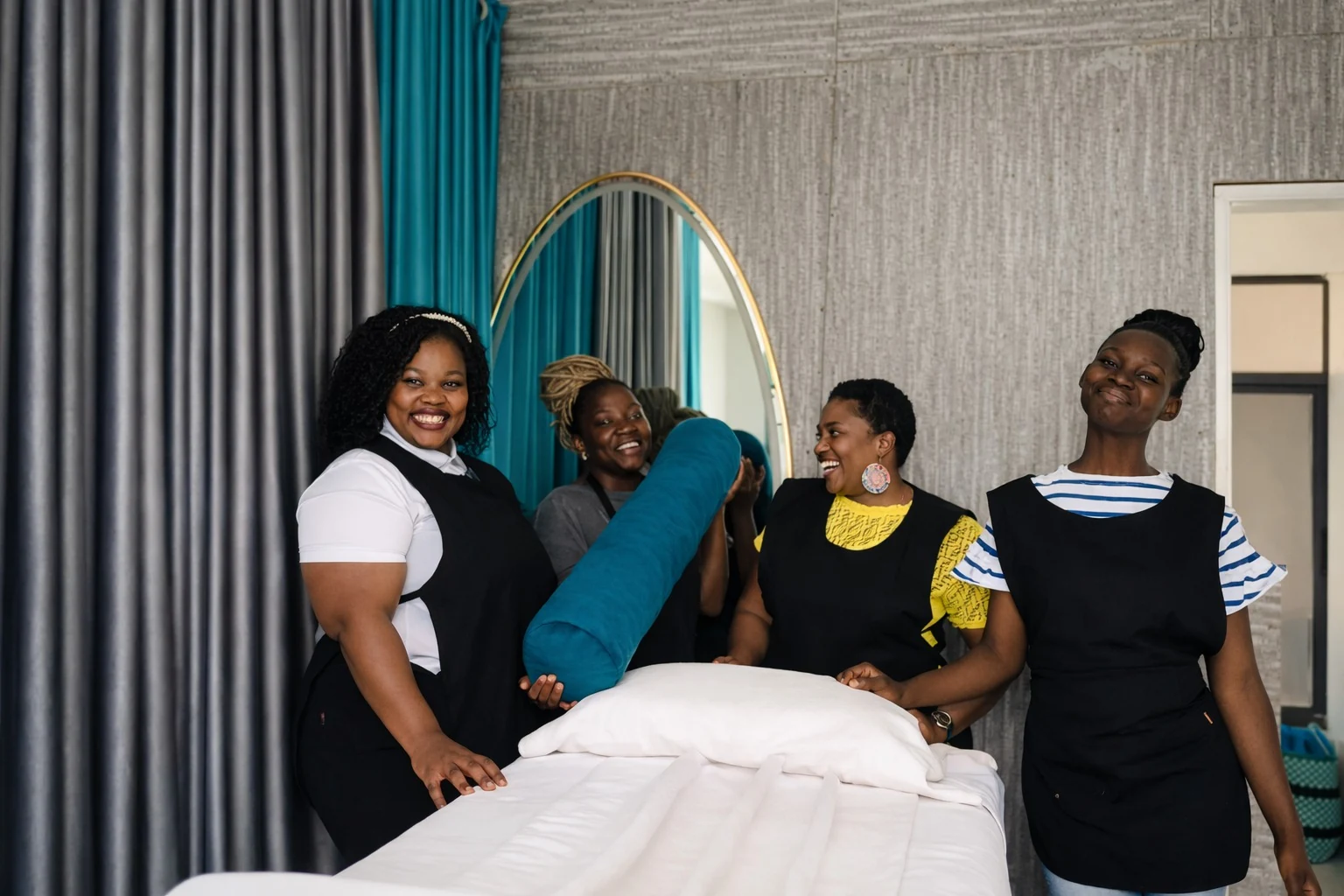
Maternal massage requires more than a new sequence of movements. A therapist needs to ask relevant questions, recognise the limits of a spa service, adapt the environment and respond respectfully when a client is uncomfortable or not ready for treatment. For a spa or institution, those habits matter as much as what happens on the massage table.
Maggie’s Academy offers prenatal and postpartum massage training enquiries for individual therapists and organisations in Kenya. This expanded guide helps you prepare questions before choosing a course. It is an invitation to understand the current programme, not a claim that one short training replaces a clinical qualification.
Start with your existing role and experience
Tell the training team what qualifications you already hold, the clients you work with and the setting in which you plan to practise. A therapist adding maternal care to an established practice may need a different learning plan from a team updating its client consultation process.
If you represent a hospital or clinic, explain the professional roles of proposed participants. A massage course does not expand a person’s medical scope of practice. Ask how the programme fits with your institution’s policies, supervision and referral pathways rather than assuming one certificate resolves those questions.
Ask for the current syllabus in writing
A useful course outline should show the balance between consultation, positioning, hands-on practice and safety discussions. Ask whether prenatal and postpartum care are taught as distinct subjects, including recovery after surgery, consent around abdominal touch and recognising when a client should be referred for assessment.
- What previous training or experience is required?
- How much time is allocated to supervised practical work?
- How are positioning, draping and consent assessed?
- What is covered about contraindications and referral?
- What is outside the scope of the course?
Do not choose purely on the number of techniques listed. Being able to explain why you would not perform a technique can be as important as demonstrating it.
Clarify what certification actually means
Ask who issues the certificate, what assessment is required and whether the course is recognised by the organisation that matters for your work. A completion certificate, a professional qualification and a regulator’s licence are different things. Confirm current details directly rather than inferring recognition from a training title.
If you need training for insurance, employment or an institutional requirement, check acceptance with the relevant organisation before paying. Keep a copy of the syllabus, learning hours and assessment details. That documentation is more useful than a general assurance that a course is “international”.
Look for practical judgement, not only practical technique
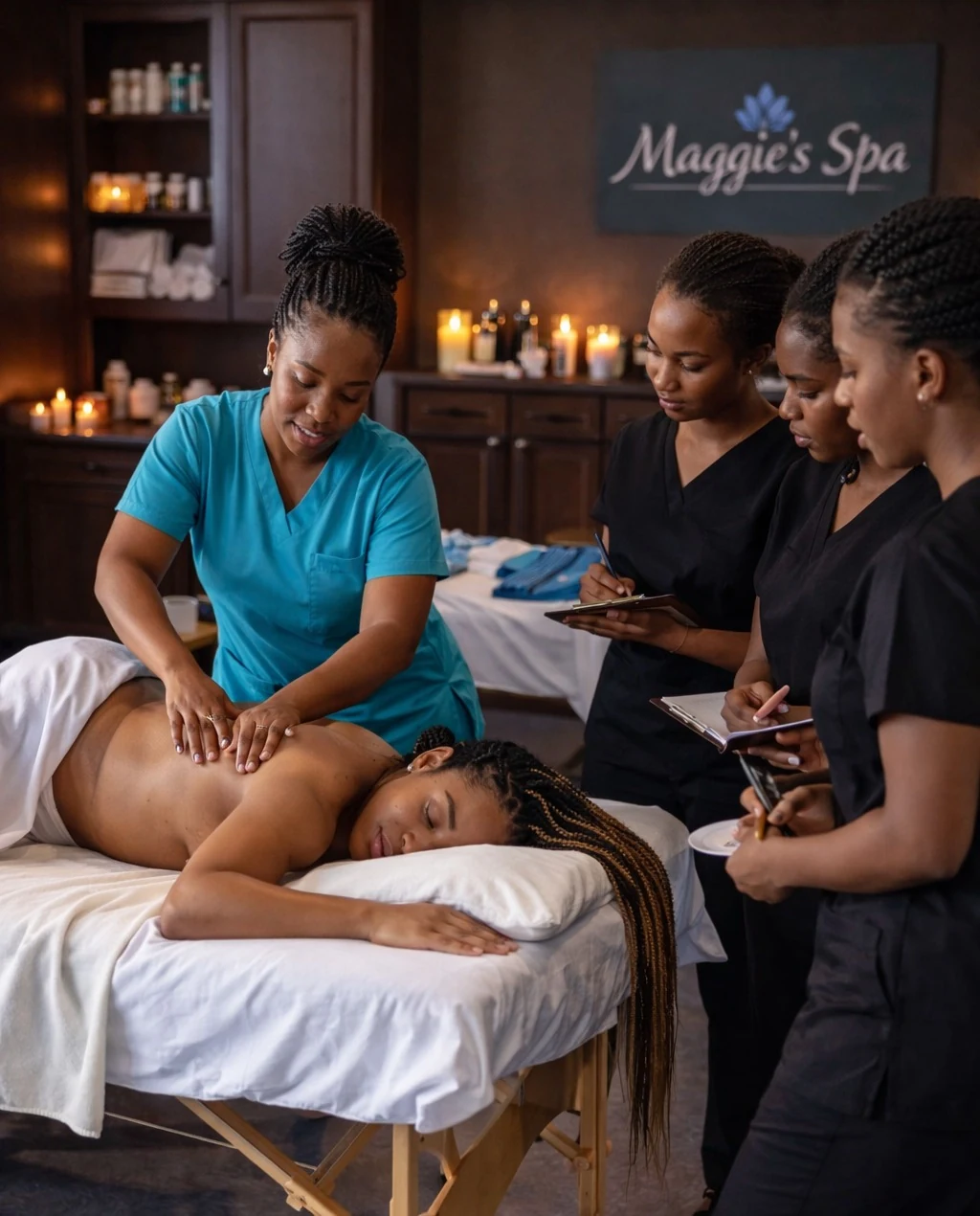
Ask how trainees practise communicating with clients. Can they explain a session in plain language, ask permission before changing areas and adjust when a position becomes uncomfortable? Are they taught to recognise that a postpartum client’s readiness depends on individual recovery rather than a fixed date?
A good learning environment should allow questions about difficult scenarios: a client reporting new swelling, someone requesting painful pressure, or a mother asking whether massage can close a muscle gap. Training should help practitioners give a clear, responsible answer without making unsupported promises.
Plan for using the learning in your workplace
Before an institutional booking, identify what needs to change after training. It might be the consultation form, a referral process, the booking questions or the way services are described online. Assign someone to review those changes instead of expecting a training day to update the whole service automatically.
For individual therapists, consider how you will continue learning and seek guidance on unfamiliar situations. Keep records of your training and work within your competence. If a client’s needs exceed that competence, a thoughtful referral protects the client and your professional practice.
Confirm logistics before making arrangements
Ask Maggie’s Academy about current dates, venue, group size, fees, practical arrangements and what participants should bring. Confirm whether the programme is at the spa or arranged for an organisation. Avoid making travel plans based on an old social-media announcement or assuming a previous training location is still available.
Read the training information and send a short enquiry describing your background or team. Include the number of participants, preferred timing and the questions you need answered. You can then compare the written details with your learning goals before deciding.
Put client care at the centre of your decision
Specialist learning should leave you more attentive to the individual in front of you. That means better questions, clearer explanations and a willingness to adapt or refer. The strongest course for your needs is one whose scope and practical expectations you understand before enrolling.
For a client perspective, read our prenatal appointment checklist and postpartum preparation guide. They show the kinds of conversations a well-prepared therapist should be able to support.
A FEW COMMON QUESTIONS
Good to know.
Does this course replace a healthcare qualification?
No. Ask how the training fits your existing qualifications and professional scope of practice.
Where can I confirm current course dates and fees?
Contact Maggie’s Academy through the training page for the current written programme, dates, venue and fees.
Prepared by the Maggie’s Spa editorial team. Treatments depend on individual suitability. Prices and availability can change; confirm them when booking. Questions or corrections?