
Postpartum recovery · 4 MIN READ
Postpartum massage after a C-section: timing, comfort and questions to ask
A practical guide to planning massage after a caesarean, including wound healing, medical advice, positioning and what to tell your therapist.

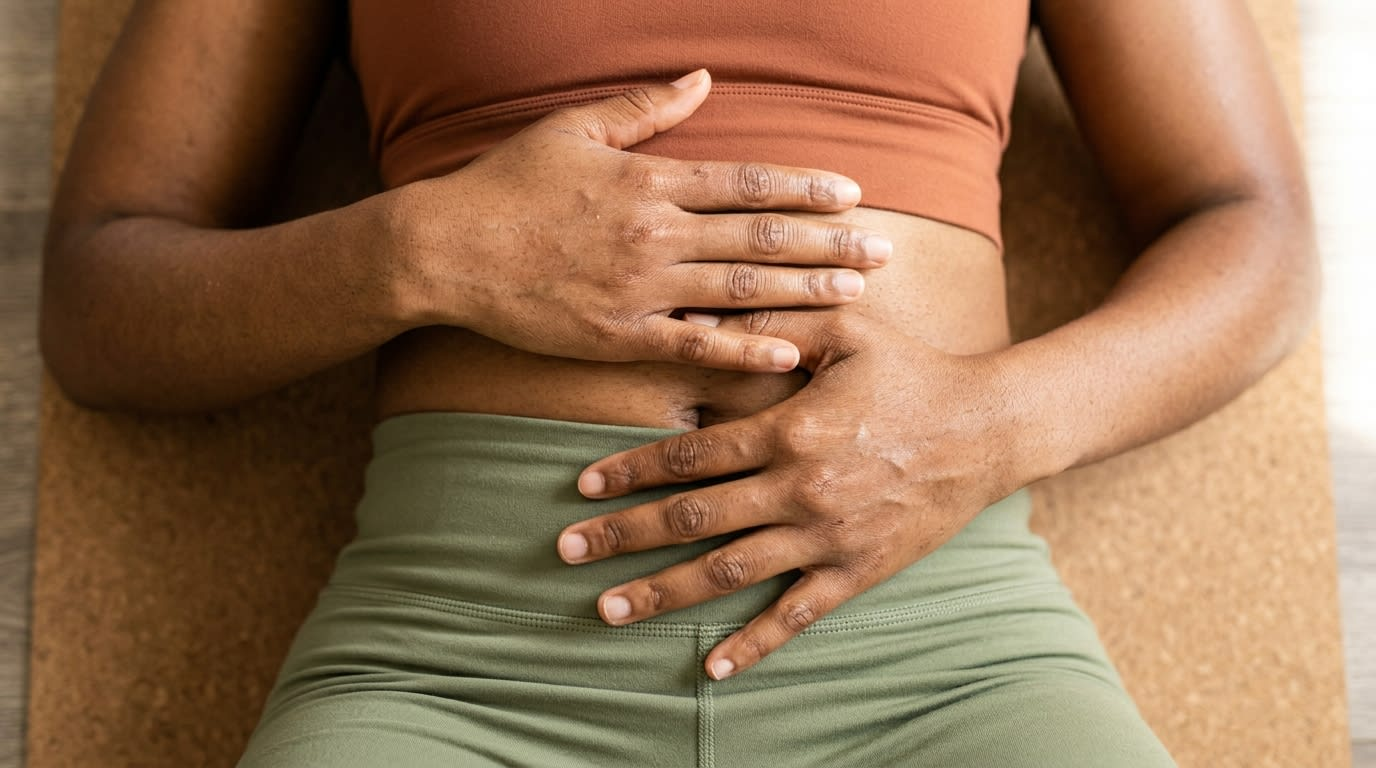
“Do you offer postpartum massage for C-section mums?” is an important question. Yes, Maggie’s offers adapted postpartum care for women who have had a caesarean, when healing and individual suitability allow. A C-section is major surgery, and a spa appointment must work around that recovery rather than try to hurry it along.
The most useful next question is not “Which week can everyone start?” It is “What is appropriate for me, given how I am healing?” This guide explains the conversation to have before booking and the difference between general relaxation work, abdominal treatment and scar massage.
Readiness is about recovery, not a fixed date
Your wound needs to be fully healed before treatment near the incision is considered. Follow your maternity team’s advice about your own recovery and seek clearance when needed. The fact that another mother started massage at a particular point does not tell us whether the same timing is right for you.
A routine postnatal appointment is a useful chance to ask about massage, but you do not need to wait for that appointment if you have a concern. Tell your clinician whether you are asking about gentle work on your shoulders and back, direct abdominal work or scar treatment: these are different activities and may require different advice.
Tell us the details that change a session
When you contact Maggie’s, share how long it has been since delivery, whether the incision has fully closed, any recovery complications and relevant medical instructions. Mention medication, particularly blood-thinning treatment, and any areas that are painful, numb or very sensitive. Only share information you are comfortable sending; you can ask to discuss it privately.
- What does your doctor or midwife say is safe at this stage?
- Are you comfortable lying on your side, sitting or changing position?
- Is the area around your scar still tender or sensitive?
- Are you hoping for back and shoulder relaxation, or asking about abdominal care?
General massage and scar massage are different
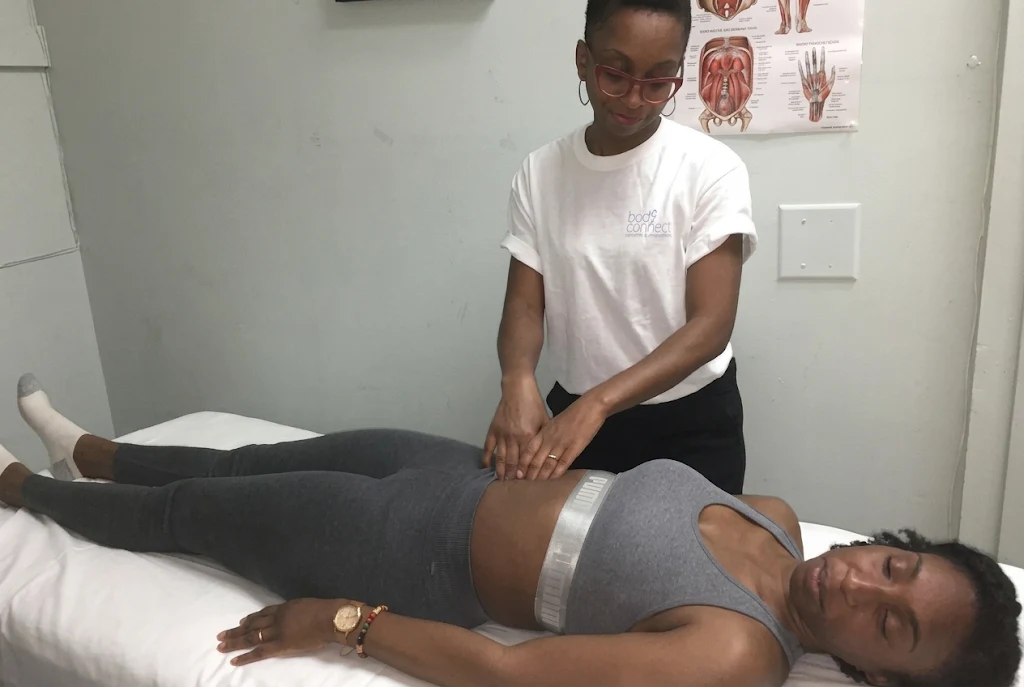
A session focused on comfortable areas away from the incision should not quietly become scar work. Ask what the therapist plans to do and which areas will be excluded. You remain in control of consent throughout. It is reasonable to ask for the abdomen to remain covered and untouched.
Scar massage has a more specific purpose and should only be considered after complete wound healing, without open areas or scabs, with appropriate clinical advice. Do not copy a technique from a video while your incision is still healing. If you want help with a painful or restrictive scar, ask your clinician about an appropriately qualified practitioner or physiotherapist.
Make the appointment comfortable in practical ways
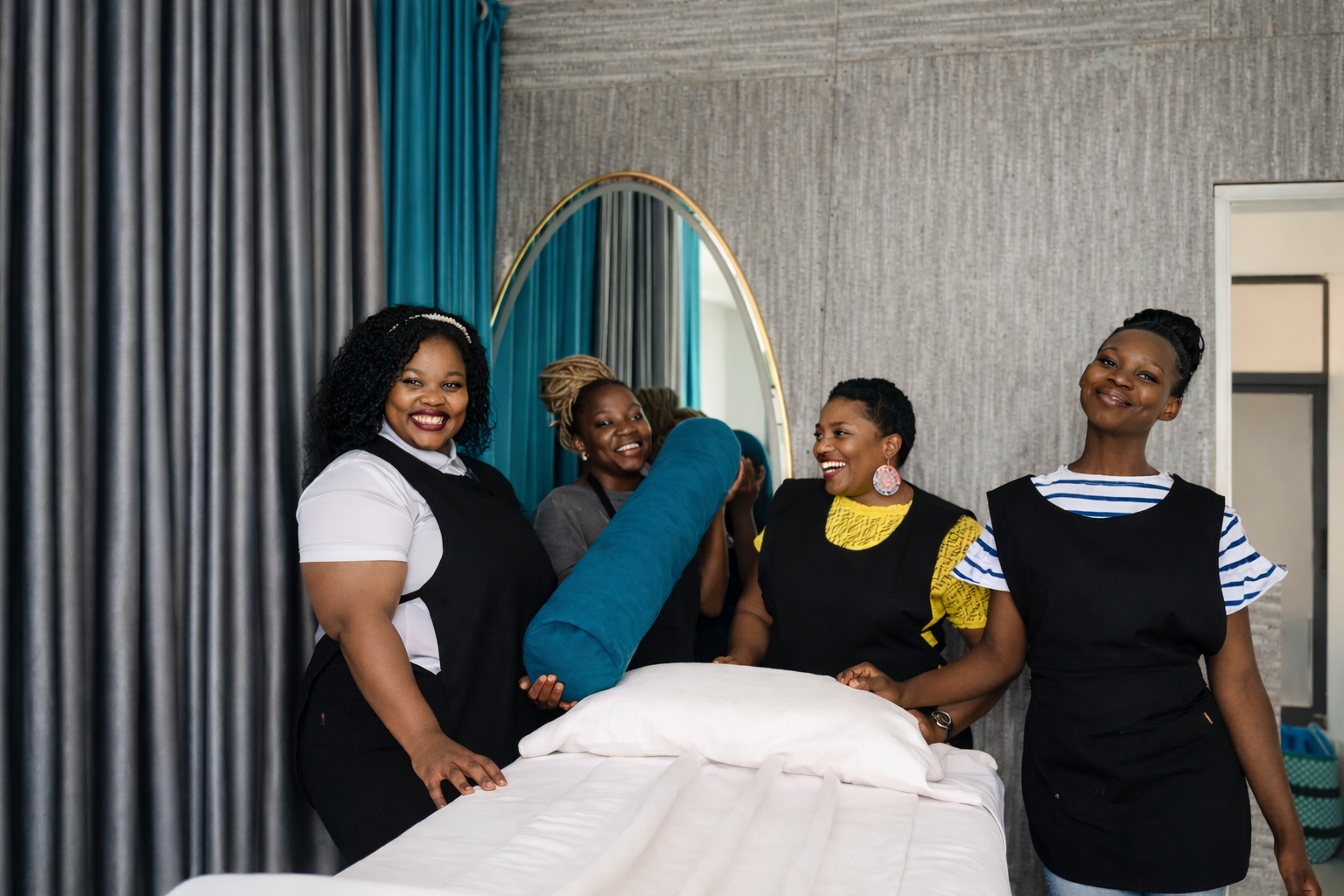
Think about getting onto the table, turning over, feeding breaks and how you will travel home. These details can matter more than music or candles. Tell us if a position pulls across your abdomen or if you need help arranging support pillows. A treatment should be adapted before discomfort becomes something you are enduring.
If having your baby nearby would help, ask about arrangements before the visit. If uninterrupted time is your preference, arrange support that feels realistic. Either way, allow room in the day for the appointment rather than squeezing it between obligations that leave you rushed and sore.
Symptoms to take to your medical team
Contact your maternity team promptly about severe or worsening pain, heavy bleeding, an increasingly red or swollen wound, unpleasant discharge, fever or feeling unwell. New lower-leg pain or swelling, chest pain or shortness of breath also need urgent assessment. Massage is not the right way to investigate these symptoms.
Do not allow a prepaid session or package to become a reason to attend when you are unwell. Tell the spa you need to discuss your booking. A responsible care plan puts medical needs ahead of keeping an appointment.
Understand the options and the full cost
Ask Maggie’s to confirm the suitable service, duration, inclusions and current fees privately before arranging your visit. Care is adapted to your needs and relevant medical guidance.
Belly massage, a binding treatment and buying a binder are not interchangeable purchases. Ask which service is proposed, whether it is suitable, what the price includes and whether a binder is charged separately. Our belly binding guide explains the questions to ask.
Plan your first step, without pressure
Start with a private suitability conversation through postpartum care at Maggie’s. You can ask for information without committing to abdominal treatment or a package. Let us know what would make the visit comfortable and what you would rather leave out.
The aim is a thoughtfully adapted experience alongside your recovery care. Massage does not replace follow-up, wound assessment or rehabilitation, and feeling cared for should never depend on pushing through pain.
A FEW COMMON QUESTIONS
Good to know.
Do I have to wait exactly six weeks?
There is no single start date that makes massage safe for everyone. Healing, complications, the treatment area and your clinician’s advice determine suitability.
Does a postpartum massage include scar treatment?
Not automatically. Scar work is a separate discussion and requires a completely healed wound and appropriate advice.
FURTHER READING
Sources & useful information
These resources inform the health context in this guide. They do not imply endorsement of Maggie’s or a medical review of this article.
Prepared by the Maggie’s Spa editorial team. General wellbeing information; not personalised medical advice. Treatments depend on individual suitability. Prices and availability can change; confirm them when booking. Questions or corrections?