

Postpartum recovery · 5 MIN READ
Lymphatic drainage after birth: gentle care and the right questions
Understand what lymphatic drainage involves, why the cause of swelling matters, and how to discuss suitability before postpartum treatment.
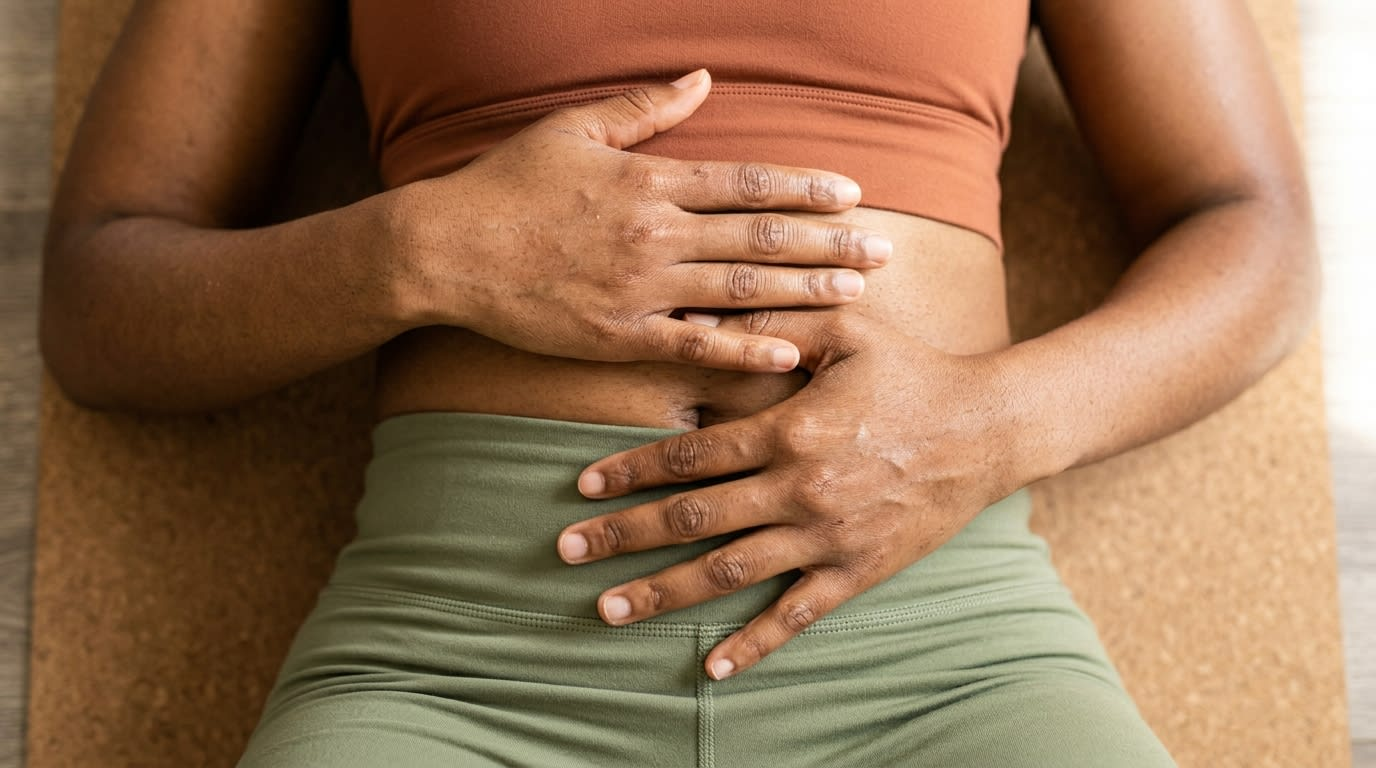
Feeling puffy or heavy after birth can leave you searching for something that will make your body feel more comfortable. Lymphatic drainage often appears in that search, sometimes alongside dramatic promises about detoxing or fast changes in body shape. Those promises are not a useful starting point for deciding what you need.
This guide is specifically about lymphatic drainage. It explains the kind of touch involved, the questions that matter before booking and why swelling should not automatically be treated as a spa concern. Your own circumstances deserve attention before a treatment name is chosen.
What lymphatic drainage involves
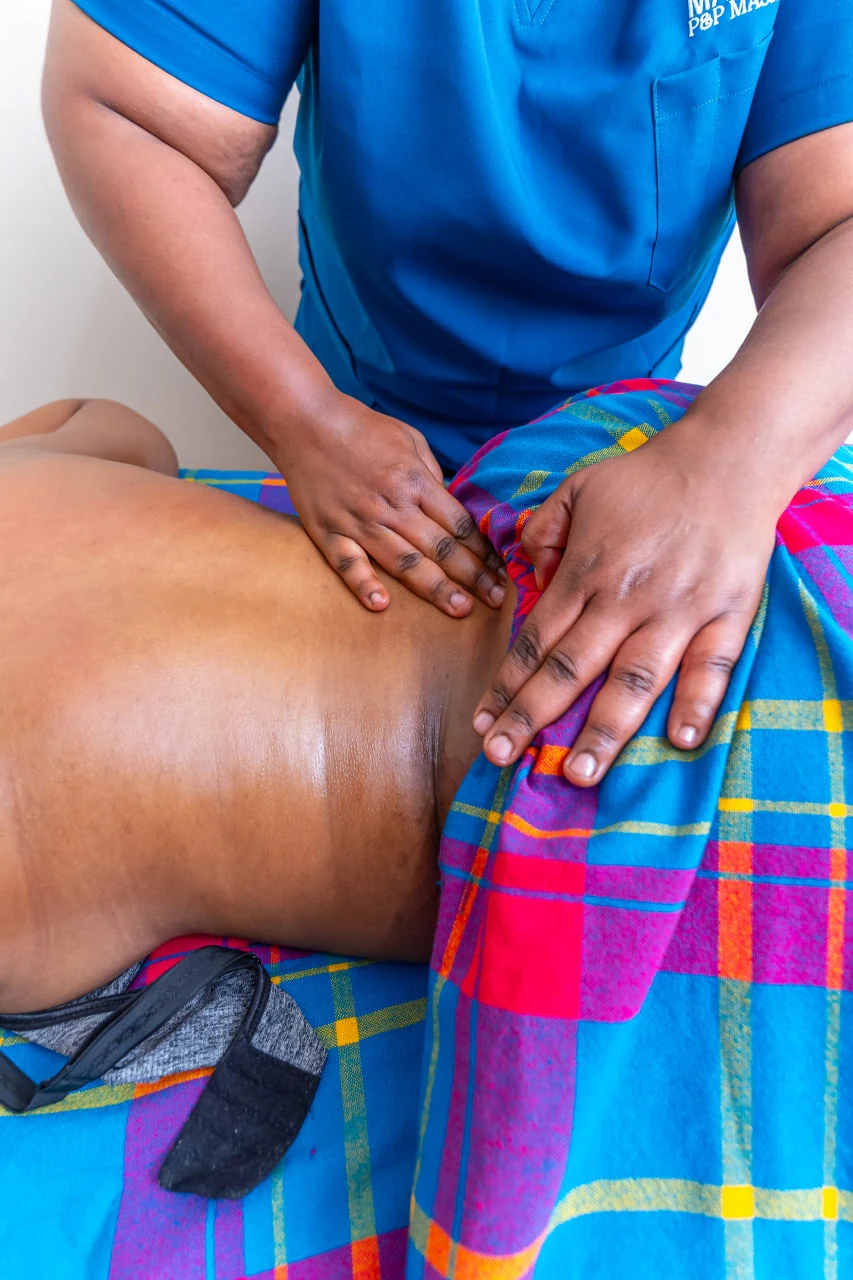
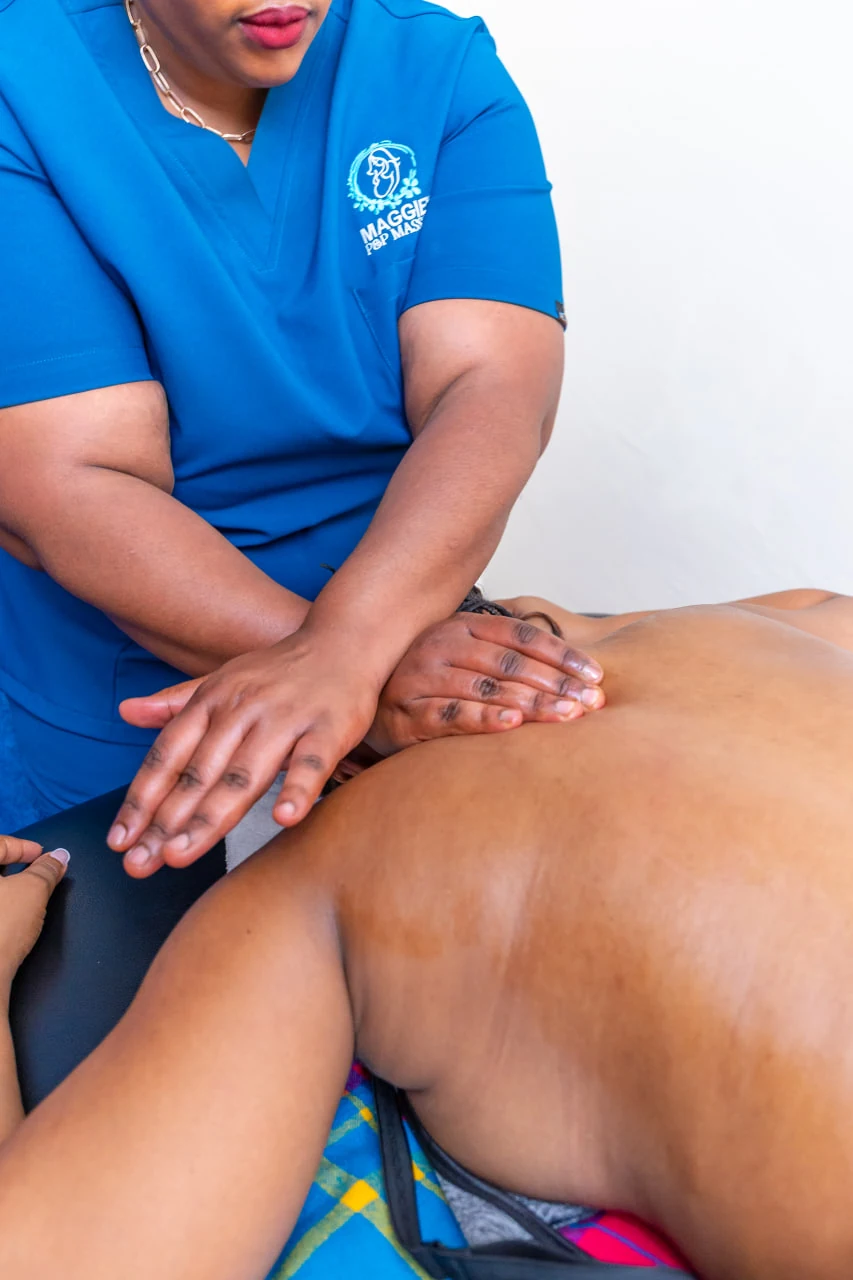
Manual lymphatic drainage uses light, deliberate techniques. It differs from a deep-pressure massage and is used in clinical settings for particular swelling conditions. That does not establish that every postpartum person needs it, or that any feeling of heaviness has the same cause.
Ask the practitioner to describe the technique and the aim of the proposed session. If you are seeking treatment for a diagnosed condition, discuss the appropriate provider with your healthcare team. A spa session and a clinical lymphoedema management plan are not interchangeable services.
Understand swelling before choosing treatment
Tell a healthcare professional about new, unexplained, painful or changing swelling. Do not rely on a picture online or a friend’s experience to decide that yours is routine. The next step may be an assessment rather than a massage booking.
New swelling or pain in one leg, chest pain or difficulty breathing needs urgent medical attention. Do not massage a concerning area to see if it improves. Share any relevant diagnosis or advice with the therapist only after your care team has addressed the concern.
Tell the practitioner what could affect suitability
Discuss recent surgery, infection, current illness, medicines and relevant medical conditions before the appointment. Heart or kidney conditions and a history of blood clots are particularly important to raise with the appropriate clinician. Let them advise on whether the proposed treatment is suitable for you.
You can ask what information the spa needs and how to discuss it privately. A previous comfortable massage does not mean that a different technique is automatically appropriate. Mention changes since booking, even if they seem unrelated to the area you originally wanted treated.
Set realistic expectations for the visit
A worthwhile goal might be an appropriately assessed comfort-focused appointment with a clear explanation of what will happen. It should not be a guarantee of weight loss, removal of unspecified toxins or a permanently smaller body after a fixed number of sessions.
Ask how the team will judge whether the appointment fits your needs. If results are being described, ask exactly what is meant and what is not promised. You deserve a straightforward answer rather than pressure to choose the longest package or the most intensive-sounding name.
Light touch should still respect your boundaries
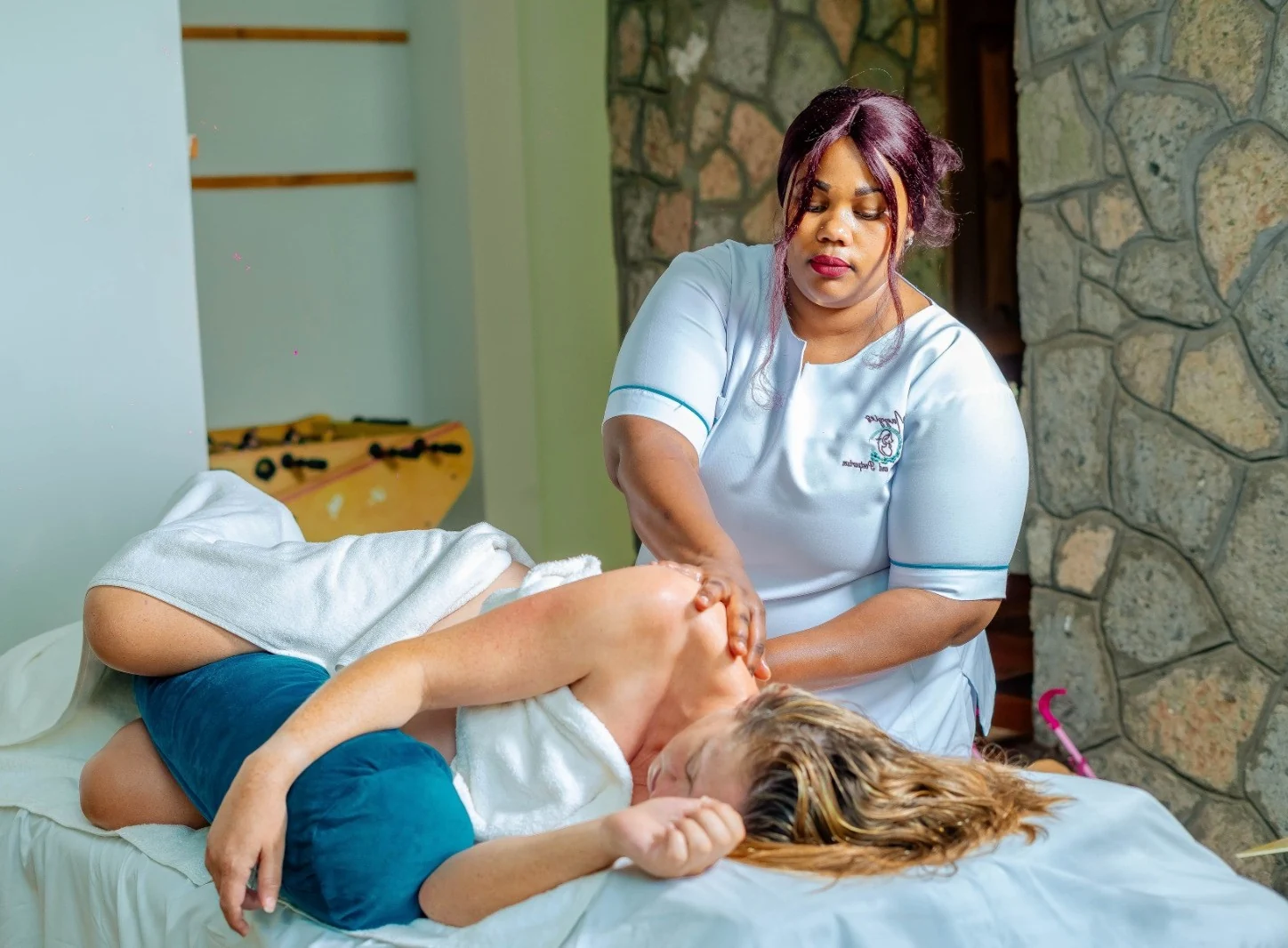
Gentle treatment does not remove the need for consent. Agree which areas will be included, which will be avoided and what position is comfortable. Ask how the therapist will check in and how you can request a pause. You can change your mind during the session.
If you are recovering from a C-section or another procedure, discuss wound healing and clinical advice first. Scar treatment and abdominal work should not be added automatically. Tell the therapist if a position feels wrong or if there is an area you want left completely untouched.
Prepare a few specific booking questions
Before you pay, confirm the service name, the practitioner’s relevant training, the duration, the price and the suitability process. If a package is proposed, ask how future visits are adapted when your recovery or medical advice changes. Buying several appointments should not reduce your freedom to stop and ask questions.
- What is the purpose of this session in my circumstances?
- Do I need a clinical assessment or clearance before attending?
- What technique will you use, and how does it differ from regular massage?
- What symptoms or changes mean I should postpone?
- How will you adapt the positioning and treatment area?
Leave space for a different answer
It is acceptable to learn that lymphatic drainage is not the right choice for you now. You may need an assessment, a different kind of support or simply more information before deciding. A useful consultation makes those options clearer rather than persuading you that everyone needs the same service.
Keep the rest of your care plan in view. Do not stop medication, skip follow-up or change prescribed support garments to fit a spa routine. If you develop a new concern after an appointment, get medical advice rather than assuming a strong reaction is evidence that a treatment is working.
Explore appropriate postpartum care
Contact Maggie’s through the postpartum care page with your comfort goals and relevant healthcare advice. Ask for a plain explanation before selecting a treatment. The aim is an informed, individually suitable choice, not a generic promise based on being postpartum.
If your question is actually about abdominal separation, read our diastasis recti guide. If it concerns a treatment advertised as uterine reposition massage, this separate guide explains that terminology and its limits.
A FEW COMMON QUESTIONS
Good to know.
Does everyone need lymphatic drainage after birth?
No. The reason for swelling and your medical circumstances determine whether a treatment is appropriate.
Is it the same as deep tissue massage?
No. Manual lymphatic drainage uses light, deliberate techniques rather than deep pressure.
Should I book for new one-sided leg swelling?
Seek urgent medical assessment first. Do not massage unexplained or concerning swelling.
FURTHER READING
Sources & useful information
These resources inform the health context in this guide. They do not imply endorsement of Maggie’s or a medical review of this article.
Prepared by the Maggie’s Spa editorial team. General wellbeing information; not personalised medical advice. Treatments depend on individual suitability. Prices and availability can change; confirm them when booking. Questions or corrections?