

Pregnancy & motherhood · 4 MIN READ
Prenatal massage in Nairobi: choosing care for your changing body
Understand what a pregnancy-adapted massage involves, what to ask a therapist and how to choose comfort without promises or pressure.
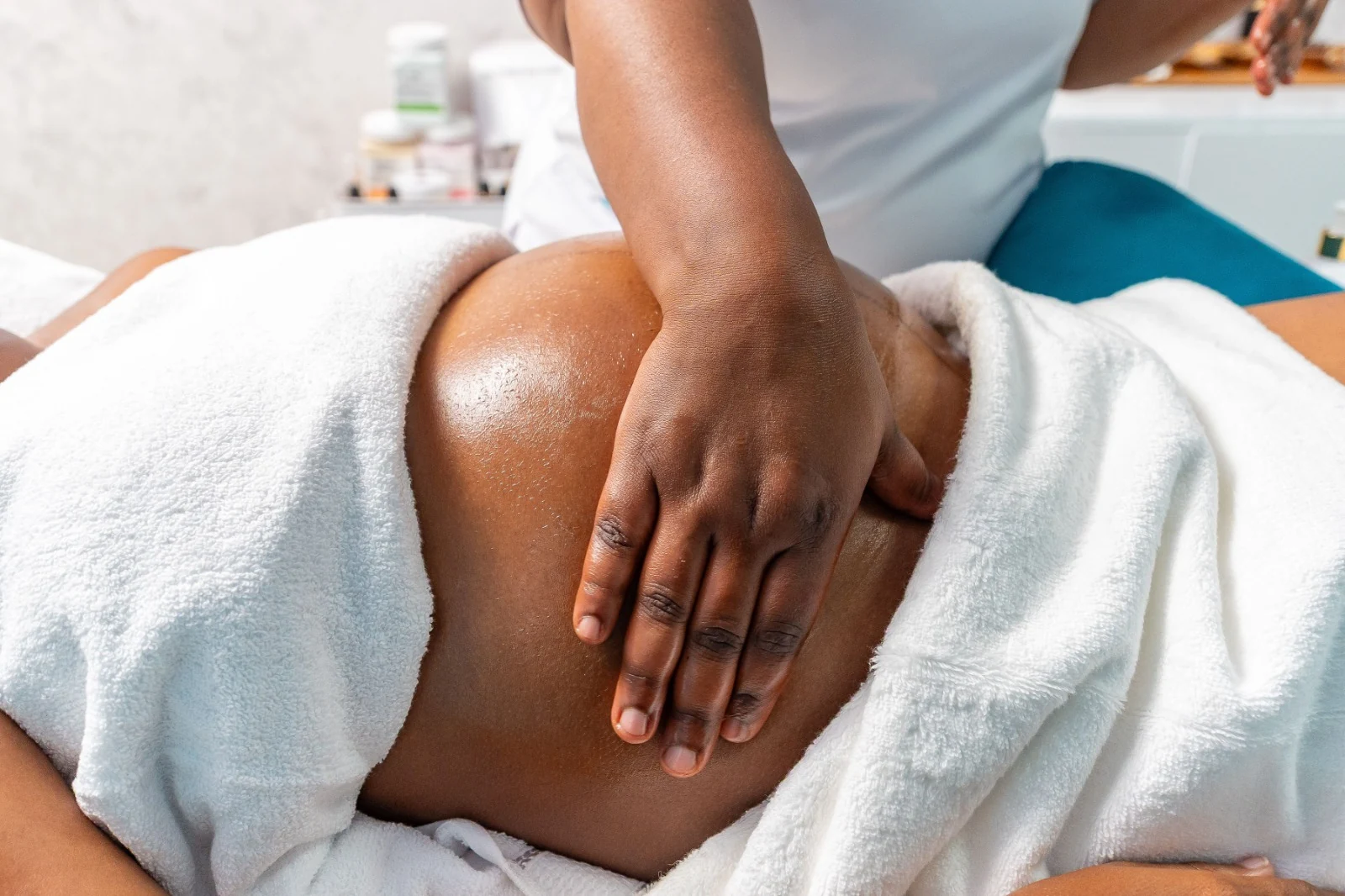
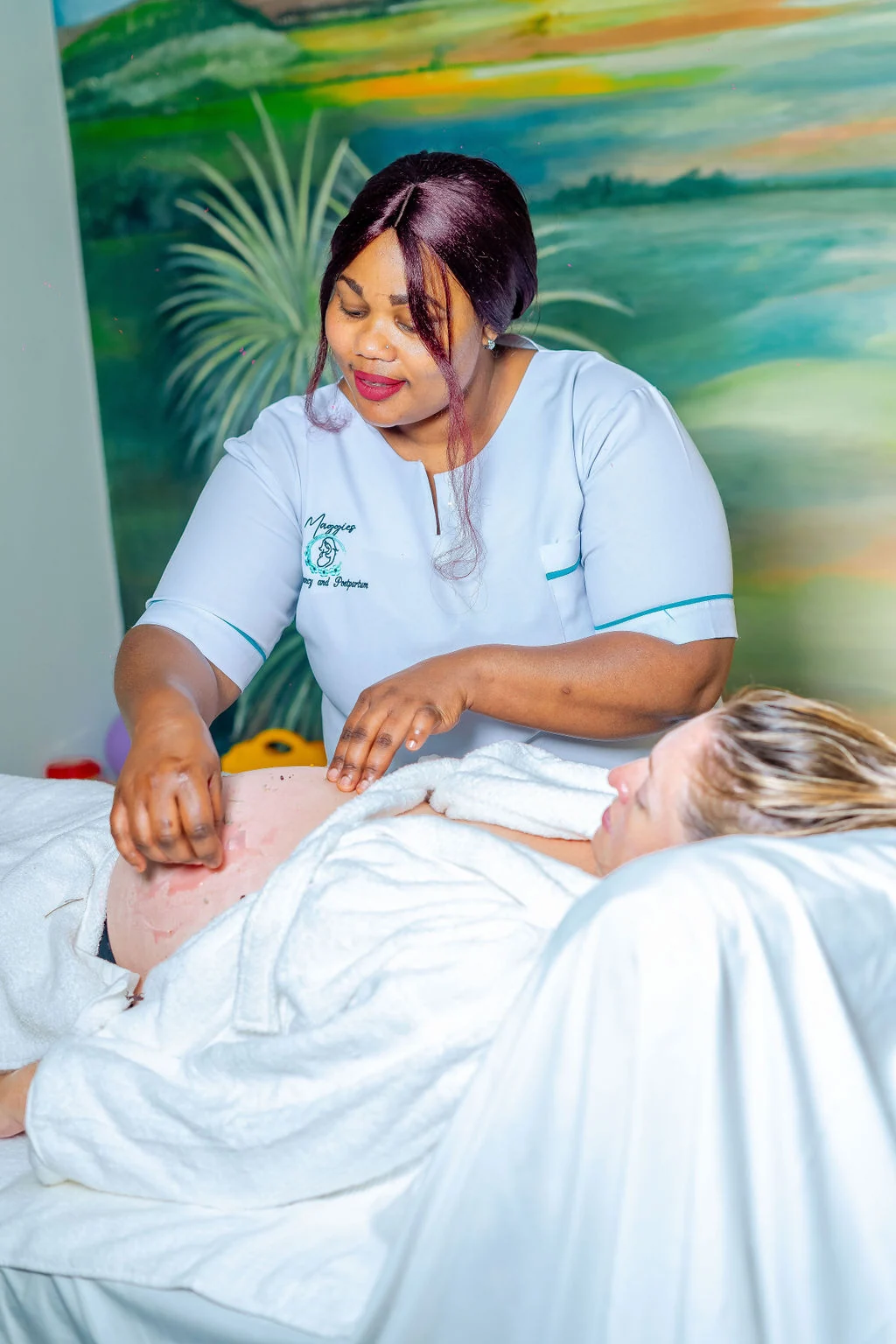
Pregnancy can change how familiar things feel: a chair, a pillow, a long journey or a position that used to be comfortable. When you are thinking about massage, the important question is not whether you can tolerate a standard session. It is how a session can be adapted to you.
Prenatal massage at Maggie’s begins with a conversation about pregnancy stage, comfort and relevant healthcare advice. This guide explains how to compare an appointment thoughtfully and decide which questions to ask before booking in Karen, Nairobi.
What makes a session pregnancy-adapted
A pregnancy-adapted appointment considers positioning, pressure, products, your preferences and any relevant medical concerns. The consultation should happen before treatment, not after you have already been placed in an uncomfortable position. Tell the team if you are pregnant even if it is not visible.
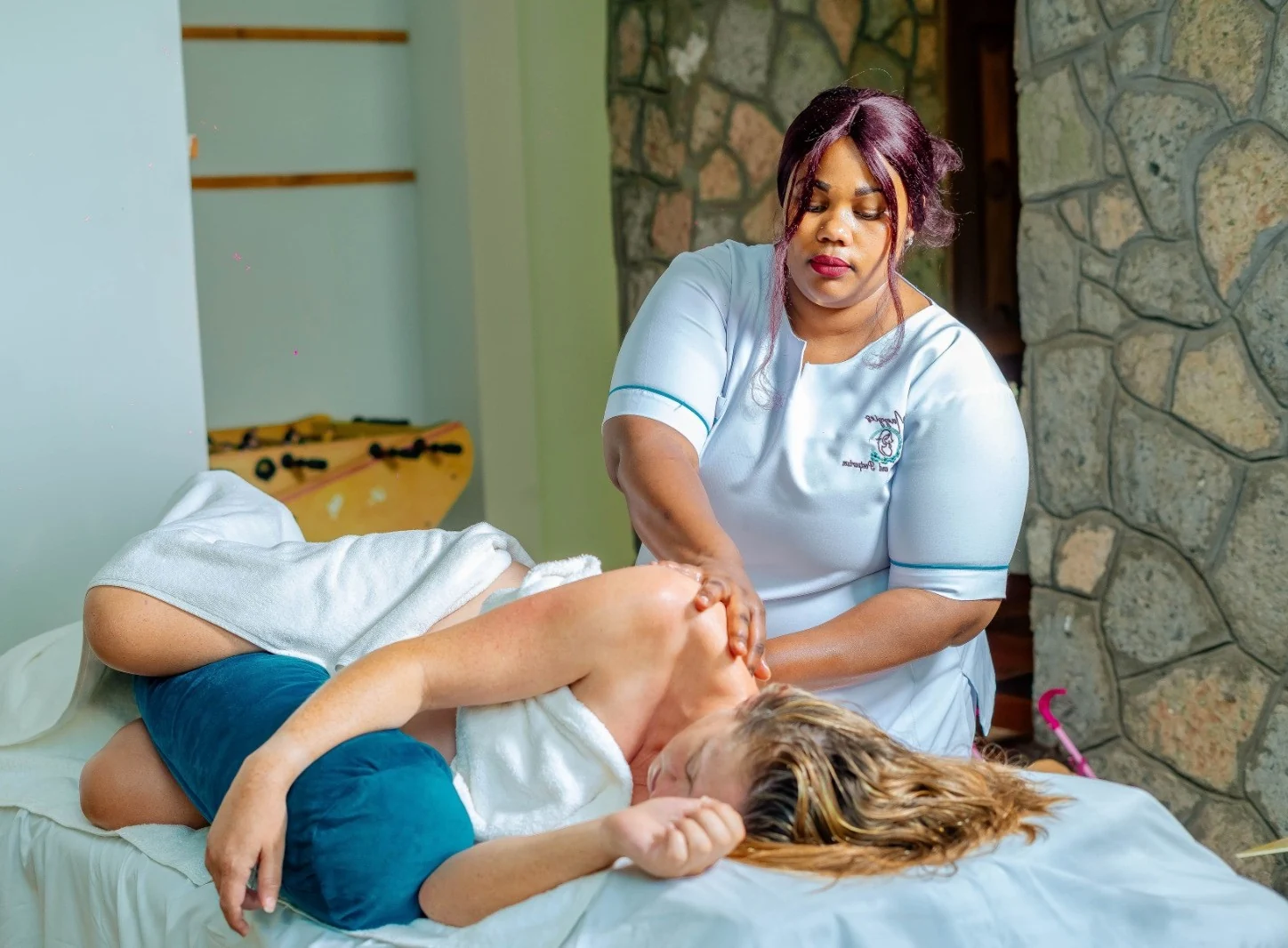
Side-lying positioning with appropriate support may be used to help you rest comfortably. Ask how the therapist will arrange pillows and adjust the session as needed. The setup should work for your current body rather than ask you to stay still in a position that feels wrong.
Set a comfort goal you can describe
You might want attention to tight shoulders, a less hurried moment in your week or a quieter appointment without much conversation. Those are meaningful preferences. Massage may help some people feel relaxed or more comfortable for a time, but individual experiences differ and results should not be guaranteed.
Avoid choosing a treatment because it claims to ensure an easy labour, prevent complications or replace medical care. Prenatal massage is a wellbeing service. Questions about pregnancy symptoms and health risks should remain with your maternity team.
Use your healthcare advice to guide the booking
Before booking, discuss massage with your clinician if you have a complicated pregnancy, symptoms you are worried about or advice to restrict activities. Tell them what kind of session is proposed. Share relevant instructions with the therapist, including any areas or techniques to avoid.
You can ask Maggie’s which information is needed and how to provide it privately. Mention recent changes before each appointment, even if you have visited before. An earlier comfortable session does not mean every later appointment should follow an identical routine.
Pressure and consent remain your choices
You can say no to an area, request lighter pressure or ask for a pause. You can also revise something you agreed to at the start. A session should not depend on you staying silent because the therapist seems busy or because you think discomfort is necessary.
Ask how draping works and which areas will be touched before the treatment begins. If you prefer less scent, no music or more explanation, say so. Some preferences may need to be arranged in advance, so include the ones that matter to you in your booking enquiry.
Do not let an appointment replace a symptom assessment
A new or worrying symptom deserves medical advice before massage. Sudden swelling, severe headache, vision changes, chest pain, breathing difficulty or new one-sided leg pain should not be treated as routine spa concerns. Contact your maternity team or seek urgent medical care as appropriate.
You do not need to decide by yourself whether a symptom is serious enough to mention. If you are unsure, ask a healthcare professional. It is better to postpone a spa visit than to use treatment as a trial to see whether an unexplained symptom goes away.
Choose a duration and journey that feel manageable
Think beyond the massage time. How long will the journey take? Do you need a bathroom break on arrival? Would an earlier appointment leave you less tired, or would a quieter part of the day suit you better? Ask about access, parking and arrival arrangements before setting off.
Check the current prenatal menu for the service, duration and price you are considering. Do not assume the regular massage menu and prenatal menu are interchangeable. If buying a voucher, ask about suitability and booking terms before choosing on someone else’s behalf.
Prepare a short list for your therapist
A few notes can help if you tend to forget questions once you arrive. Keep the list practical and centred on what would make the experience comfortable. Our before-your-visit checklist covers clothing, food, products and the day’s arrangements in more detail.
- Your pregnancy stage and relevant clinical advice.
- Your main comfort goal and any sensitive areas.
- Your preferred pressure and position.
- Allergies or scent sensitivities.
- Anything that has changed since booking.
Let the appointment fit your pregnancy
Explore prenatal massage at Maggie’s and ask the team about an appropriate option. You do not need to be in severe discomfort to want time for yourself, and you do not need to commit to a package before understanding the first session.
A thoughtful appointment gives you room to rest and ask for adjustments. It should leave the choices clearer, with your comfort and medical advice treated as part of the plan.
A FEW COMMON QUESTIONS
Good to know.
Do I need to tell the therapist I am pregnant?
Yes. Share your pregnancy stage before booking and mention relevant health advice or symptoms.
Should I lie in a position that feels uncomfortable?
No. Tell the therapist immediately and ask for a suitable adjustment or stop the treatment.
FURTHER READING
Sources & useful information
These resources inform the health context in this guide. They do not imply endorsement of Maggie’s or a medical review of this article.
Prepared by the Maggie’s Spa editorial team. General wellbeing information; not personalised medical advice. Treatments depend on individual suitability. Prices and availability can change; confirm them when booking. Questions or corrections?